Clean, well-maintained floors do more than improve the appearance of a workplace. They help create a safer, more welcoming environment for employees, customers and visitors. The right commercial floor cleaning products make routine maintenance more effective while helping protect floor finishes from unnecessary wear. The best choice depends on the surface, the type of soil, foot traffic and the cleaning method your team uses.
Identify the Floor Surface Before Choosing a Cleaner
Start by identifying the flooring material and checking whether it has a coating, polish or sealant. Vinyl, ceramic tile and sealed concrete can often be maintained with a suitable general-purpose or neutral floor cleaner. Natural stone, unsealed surfaces, hardwood and specialist finishes may need a product specifically approved for that material. A cleaner that is too aggressive can dull a finish, leave residue or affect a protective coating. When the floor type is uncertain, check the manufacturer’s care guidance before applying a new chemical.
Choose the Product for the Cleaning Task
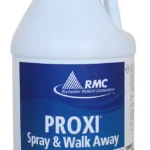
Daily maintenance, periodic deep cleaning and floor restoration are different jobs. A pH-neutral floor cleaner is commonly suitable for routine removal of light soil, footprints and everyday marks on compatible hard floors. A degreaser is more appropriate for oily residue in kitchens or service areas, while a floor stripper is designed for removing compatible floor finish during a restoration process. These products are not interchangeable. Always check the label for approved surfaces, dilution instructions, application method and required rinsing.
Use the Right Mop, Bucket and Floor Pad
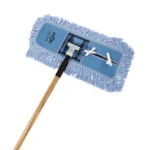
Cleaning tools have a direct effect on the result. Microfiber damp mops are useful for collecting fine dust and everyday soil, while a mop bucket with a wringer helps staff control moisture. Excess water can increase drying time and may damage moisture-sensitive flooring. Dust mop before wet mopping so grit is removed instead of being dragged across the surface. For machine cleaning, select a floor pad that matches both the machine and the task. Lighter pads are generally used for less aggressive maintenance; more abrasive pads may be required for stripping. Confirm the pad manufacturer’s colour and usage guide before use.
Plan for Different Areas of the Building
A single cleaning method rarely suits every area. Entrances collect grit and outdoor soil, kitchens may have grease, washrooms need careful hygiene routines, and carpeted spaces require vacuuming. Use entrance mats where appropriate, clean spills promptly and select products according to the soil present. For carpeted areas, a suitable vacuum such as a canister vacuum can remove loose debris before it becomes embedded in the fibres. Keep cleaning tools assigned to their intended areas to reduce the risk of transferring soil between zones.
Make Floor Safety Part of the Cleaning Plan
Wet floors can create a slip hazard, especially in busy public buildings. Schedule wet cleaning during quieter periods when possible, use the correct amount of solution and place wet-floor signs or cones where people can see them. Keep the area restricted until the floor is dry. Staff should read product labels, use the personal protective equipment specified by the manufacturer and follow the stated dilution and contact instructions. Never mix cleaning chemicals. A stronger-than-recommended solution does not necessarily clean better and may leave residue or damage a surface.
Build a Practical Commercial Floor Care Schedule
A written schedule helps a facility team maintain consistent results. Adjust the frequency to the building’s foot traffic, floor material and operational needs. A typical starting point is daily dust mopping and spill response, regular damp mopping with a compatible cleaner, and periodic machine scrubbing in high-traffic areas. Inspect floors for worn finish, damaged grout and recurring stains so maintenance can be planned before the problem becomes harder to manage.
Choosing floor cleaning supplies is ultimately about matching the chemistry, equipment and routine to the surface. Review the floor type, follow product directions and train staff to use each item correctly. Explore the floor cleaning products and cleaning equipment available at EZD Cleaning Supplies to build a practical maintenance setup for your facility.