A clean, well-stocked washroom supports a positive experience for employees, customers and visitors. In offices and public facilities, washroom hygiene depends on more than occasional cleaning: dispensers need to work, consumables need to be replenished and fixtures need a reliable cleaning schedule. Choosing suitable commercial washroom supplies makes these daily tasks easier to manage.
Hand Soap and Dispensers for Everyday Hygiene
Handwashing facilities should have running water, a working soap dispenser and a dependable supply of hand soap. Foam soap is a common option in busy washrooms because it is dispensed in a ready-to-use foam format. Choose a refill that is compatible with the dispenser already installed, and confirm capacity before ordering. Bulk-fill dispensers can reduce how often staff need to refill them, but they still need regular checks. Include soap levels in the daily washroom inspection and keep compatible refill stock nearby.
Paper Towels, Toilet Tissue and Dispenser Compatibility
Hand drying is an important part of a complete handwashing routine. Paper towels are widely used in commercial washrooms because they are straightforward to restock and can be disposed of after use. Multifold and single-fold towels require compatible dispensers, so check the product format and dispenser specifications before purchasing. Keep toilet tissue available in suitable dispensers and place lined waste bins where visitors can use them easily. A small reserve of paper products in the janitorial cupboard helps prevent empty dispensers during busy periods.
Toilet Bowl Cleaners and Disinfectant Cleaning
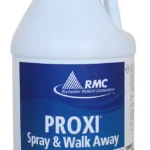
Toilets need regular attention to remove visible soil, scale and stains. A dedicated toilet bowl cleaner is designed for the bowl and areas beneath the rim, while a suitable disinfectant cleaner may be used on compatible high-touch surfaces such as flush buttons, handles and surrounding fixtures. These products have different purposes, so follow each label for surface compatibility, dilution, application and contact time. Clean surfaces before disinfecting when the product directions require it; applying disinfectant over visible soil can reduce the effectiveness of the process.
Urinal Screens and Washroom Odor Management
Urinal screens can help reduce splash and may provide fragrance between cleaning visits. Replace them according to the product instructions rather than waiting until they are visibly worn. Clean the floor and wall around urinals as part of the routine because residue can collect in grout and around the fixture base. Deodorant blocks and pucks can support routine maintenance, but they do not replace cleaning. If an unpleasant smell remains after thorough cleaning, inspect drains, waste bins and plumbing rather than relying only on fragrance.
Waste Bins, Liners and Daily Restocking
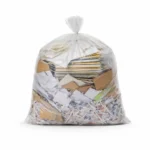
A clean washroom needs suitable waste bins, correctly sized liners and a clear emptying schedule. Empty bins before they overflow and replace liners promptly. Keep spare liners, gloves, soap refills, paper towels and toilet tissue in a designated storage area. A simple checklist helps staff record what has been checked and identify products that need reordering. For high-use facilities, inspect washrooms more than once a day and adjust the schedule to actual demand.
Create a Consistent Washroom Cleaning Routine
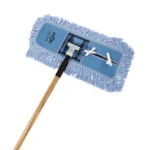
Assign clear responsibilities for cleaning, inspection and replenishment. Daily tasks may include cleaning toilets and urinals, wiping high-touch points, mopping floors, emptying bins and checking dispensers. Weekly tasks can include more detailed attention to grout, partitions and dispenser exteriors. Train staff to use chemicals according to their labels, wear the recommended protective equipment and never mix products. Consistent procedures are easier to maintain when supplies are stored together and clearly labelled.
The most reliable washroom setup combines the right consumables, compatible dispensers, suitable cleaning chemicals and a repeatable inspection routine. Explore EZD Cleaning Supplies for commercial hand soap, paper towels, toilet care products, urinal screens and other washroom essentials.